August 20, 2026
How to Water a Phalaenopsis Orchid Correctly
Learn how to tell when a Phalaenopsis needs water, which water to use, and how to avoid common watering mistakes.
By Vigi
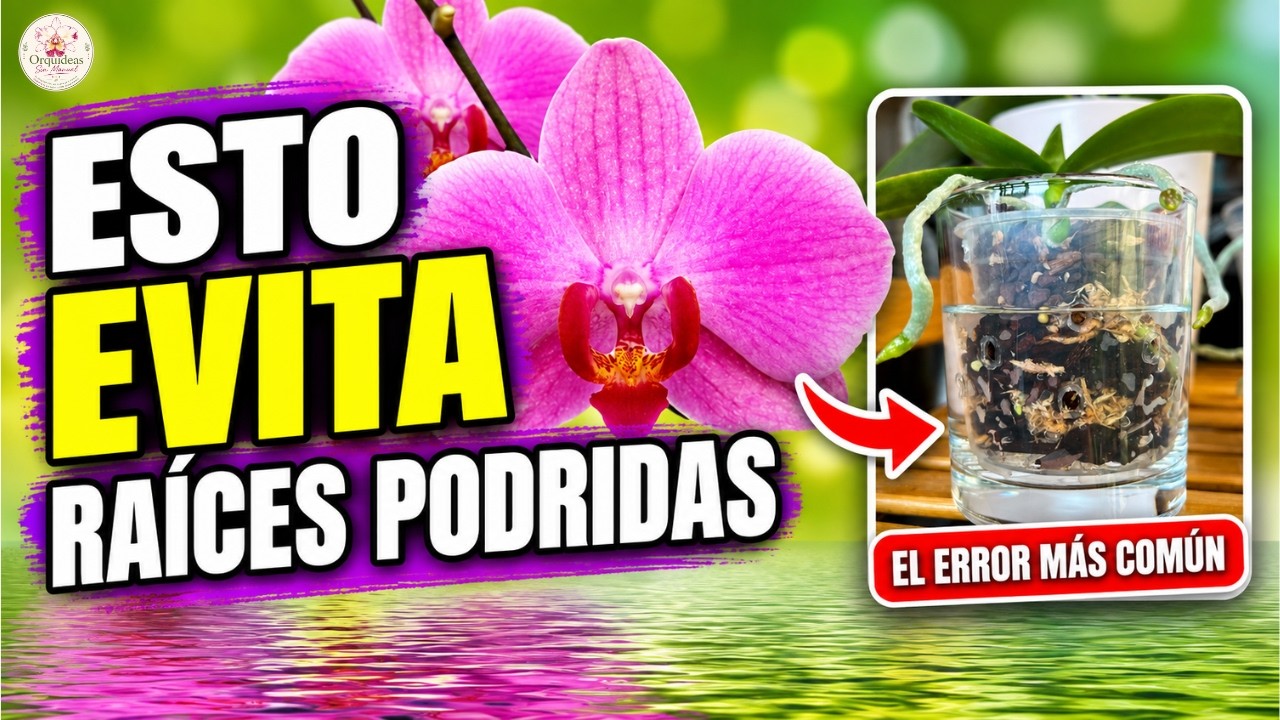
Most Phalaenopsis orchids do not die because they lack water. They die because they stay wet for too long. Good watering is not about following a calendar: it means observing the roots, the potting mix, the weight of the pot, and the leaves.
🌿 Why roots need both water and oxygen
Phalaenopsis orchids are epiphytes. In nature they grow attached to trees rather than buried in soil, and their roots receive rain, ambient moisture, and plenty of airflow. That is why they need both water and oxygen.
When the potting mix stays wet constantly, the roots receive less air and may begin to rot. The question is not only how much to water, but how long the mix takes to dry between waterings.
⚠️ The mistake of watering by calendar
Not every plant needs water every seven days. Drying speed depends on the climate, ambient humidity, temperature, airflow, light, and type of potting mix.
Instead of watering automatically, inspect the plant and decide from its signals. A calendar can remind you to check, but it should not be a fixed command to add water.
🔎 Five ways to tell whether it needs water
1. Look at the roots
In a transparent pot, hydrated roots often look green. When they need water, they may turn gray or silver. This is useful, but it should not be read in isolation: roots at the edge can be dry while the mix inside is still moist.
2. Look at the potting mix
Dark bark usually still holds moisture. When it dries completely, it normally looks lighter. Check the inside of the pot, not only one visible root at the edge.
3. Check the pot’s weight
After watering, the pot is noticeably heavier. As the water evaporates, it becomes lighter. With practice, lifting the pot can help you recognize when it is dry.
4. Use a wooden skewer
Carefully insert a wooden skewer into the center of the pot without damaging roots and leave it there for one or two hours. If it comes out damp or with dark marks, moisture remains. If it comes out completely dry, it may be time to water.
You can also leave a skewer permanently in the pot to check the interior instead of relying only on visible roots.
5. Check leaf firmness
Leaves may lose some firmness when the plant begins to need water. Do not wait for deep wrinkles or pronounced creases: those signs indicate significant dehydration.
💧 What water should you use?
Rainwater is the closest option to what the plant receives in nature. If it is not available, the video suggests filtered water or reverse-osmosis water. As another option, let tap water stand for 24 to 48 hours to help chlorine evaporate.
Water quality matters because excess minerals can build up over time in the potting mix and around the roots. That buildup can make it harder for the plant to absorb water and nutrients.
🫧 Two ways to water
Watering from above
Watering from above can work, but it may accidentally wet the crown or the spaces between leaves. If that moisture stays too long, rot or fungal problems can appear. Top watering may also fail to moisten the entire mix evenly.
Soaking the pot
For beginners, the video recommends soaking:
- Place the pot in a container of water.
- Let the water cover approximately two-thirds of the pot.
- Leave it in the water for 15 to 20 minutes.
- Remove it and let it drain completely for about 20 minutes.
The bark can absorb moisture more evenly with this method. Draining is as important as watering: we do not want water collecting at the bottom or roots remaining submerged constantly.
🚫 Common watering mistakes
- Watering by a fixed calendar without checking the plant.
- Watering while the mix is still moist inside.
- Using a pot without enough drainage holes.
- Leaving water pooled in the base or between the leaves.
- Reusing soaking water with other orchids, which can spread fungi or disease.
🚨 Signs of too much or too little water
Overwatering may show up as brown or black roots, soft roots, yellowing leaves, stalled growth, or an unpleasant smell from the mix.
When the plant lacks water, you may see extremely dry roots, soft leaves, loss of leaf firmness, or flowers wilting prematurely.
🎬 Key moments in the video
- 00:00: introduction to watering Phalaenopsis orchids.
- 00:53: Phalaenopsis orchids as epiphytes.
- 01:24: the most common mistake.
- 01:49: when to water.
- 02:05: observing the roots.
- 02:26: observing the potting mix.
- 02:53: checking the pot’s weight.
- 03:09: using a skewer.
- 03:54: checking leaf firmness.
- 04:20: choosing water.
- 05:02: how to water correctly.
- 05:40: soaking the pot.
- 06:18: common watering mistakes.
- 07:10: signs of overwatering and underwatering.
The central idea is simple: do not learn to water by following a calendar; learn to observe your orchid. Check the roots, potting mix, and leaves so watering stops being a guess. You can also read How to care for your Phalaenopsis at home for more on light, humidity, and airflow.